Staying Active and Exercising After Ostomy Surgery
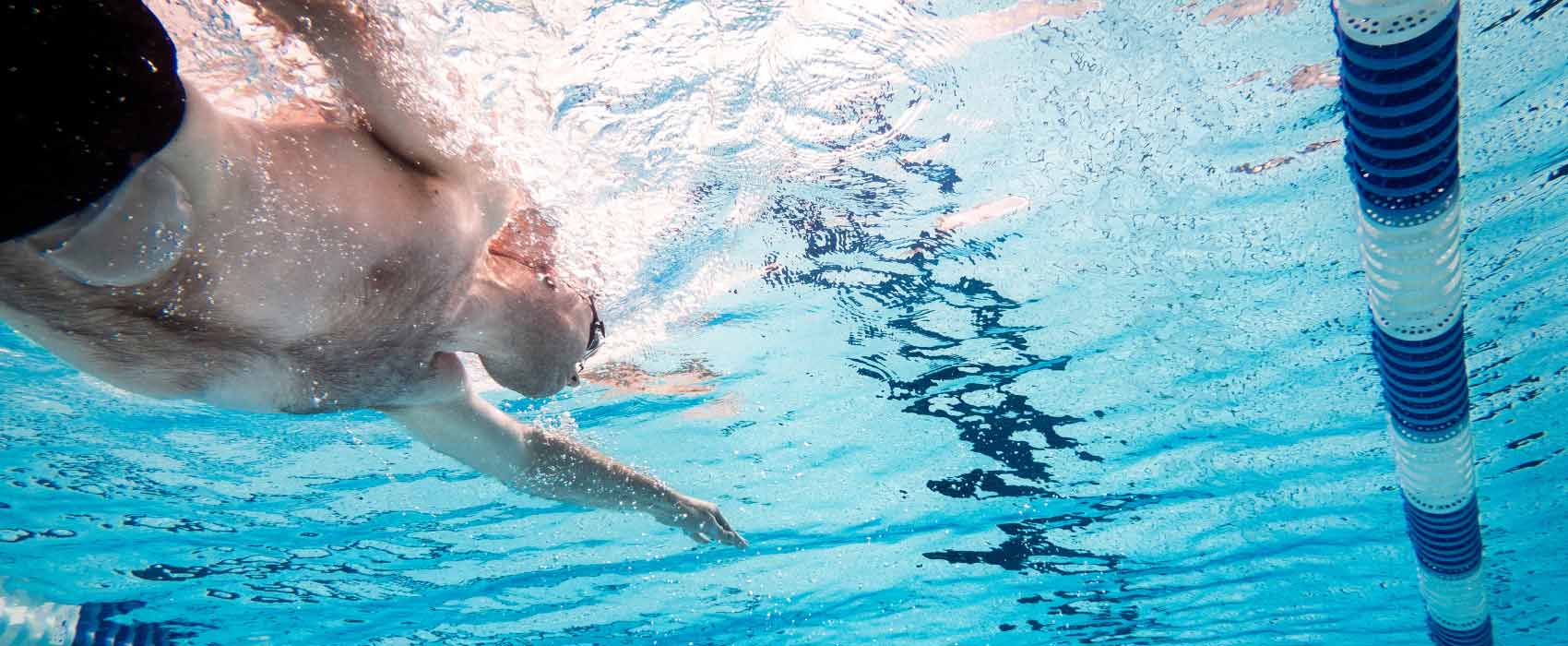
After undergoing ostomy surgery, maintaining an active lifestyle and engaging in regular exercise might seem daunting, but it's crucial for overall well-being and quality of life. While the idea of physical activity may raise concerns about complications or limitations, staying active after ostomy surgery is not only possible but also beneficial. By understanding the importance of exercise and learning how to safely incorporate it into your routine, you can effectively manage your ostomy while reaping all the physical and emotional benefits of staying active. Here are some helpful tips to get you started.
Is it Safe to Exercise with an Ostomy?
People with an ostomy reap many of the same benefits of exercise as those without. Moving your body can help boost both physical and mental health, which may be particularly beneficial to individuals struggling with their new lifestyle. Other benefits include:
- Improved blood circulation
- A stronger immune system
- Healthier weight
- Increased confidence
- Better digestion
- More energy
How Does Stoma Surgery Impact Exercise?
Those with a strenuous exercise routine before surgery might need to change activities after stoma surgery. While you can still enjoy all the exercises and activities you once loved, you'll need to learn how to navigate working out with an ostomy pouch. This will include finding a bag that has a secure fit, emptying your pouch before or during your workout, properly supporting your abdomen, and listening to your body.
Properly fitting pouching systems shouldn't leak, but as a precaution, you may want to double-check as you navigate through your workout. You can also use an ostomy support belt or waistband around your stoma that helps keep your pouch in place. If you have any questions or concerns about living an active lifestyle with your type of ostomy, reach out to your stoma nurse, doctor, or surgeon.
Pyeloplasty Benefits vs. Risks
Although minimally invasive, pyeloplasty is still a surgical procedure that carries unique risks. The most common risks include:
- Infection
- Scarring
- Excessive bleeding
- Blood clots
- Hernias
- Bad reactions to anesthesia
- Damage to blood vessels
- Damage to nearby organs
- Need for additional surgery
- Urine leakage
Still, pyeloplasty is a surgical treatment to relieve pain and prevent kidney failure, so it's often considered necessary. Some of the advantages of pyeloplasty include pain relief, reduced swelling in the kidney and ureter, and improved overall function.
How to Prepare for a Pyeloplasty
Your doctor will give you instructions to help you prepare for a pyeloplasty. Typically speaking, this includes following a few directions. Most commonly, your doctor will ask you to:
- Fast (no food or water) for eight to twelve hours before the procedures
- Discontinue unnecessary medication on the day of the operation, or only take them with a small sip of water (do not stop taking any medications unless explicitly told to do so by your doctor)
- Prepare to stay in the hospital following the surgical procedure
- Ask a friend or family member to drive you home
How Can Pyeloplasty Surgery Be Performed?
Pyeloplasty is generally considered a minimally invasive procedure, but there are several options for individuals who need treatment. Most surgeries take about two to three hours, and you may be required to stay in the hospital for a few days after surgery. The different surgical options include:
Laparoscopic Pyeloplasty
During laparoscopic surgery, small incisions are made in the abdomen, through which a thin tube with a camera and specialized instruments are inserted. The surgeon then accesses the UPJ and removes the obstructed portion of the ureter before reconstructing it to allow for proper urine flow.
Endoscopic Surgery
In this procedure, a thin, flexible instrument called an endoscope is inserted through the urinary tract, typically via the urethra, to access the UPJ. The surgeon can visualize and navigate the obstruction using advanced surgical tools passed through the endoscope, often without external incisions. Normal urine flow is restored after removing the obstructed segment and reconstructing the ureteropelvic junction.
In a healthy, functioning urinary system,
Telehealth and Telemedicine in Urology: Advantages and Limitations
Related Article