Telehealth and Telemedicine in Urology: Advantages and Limitations
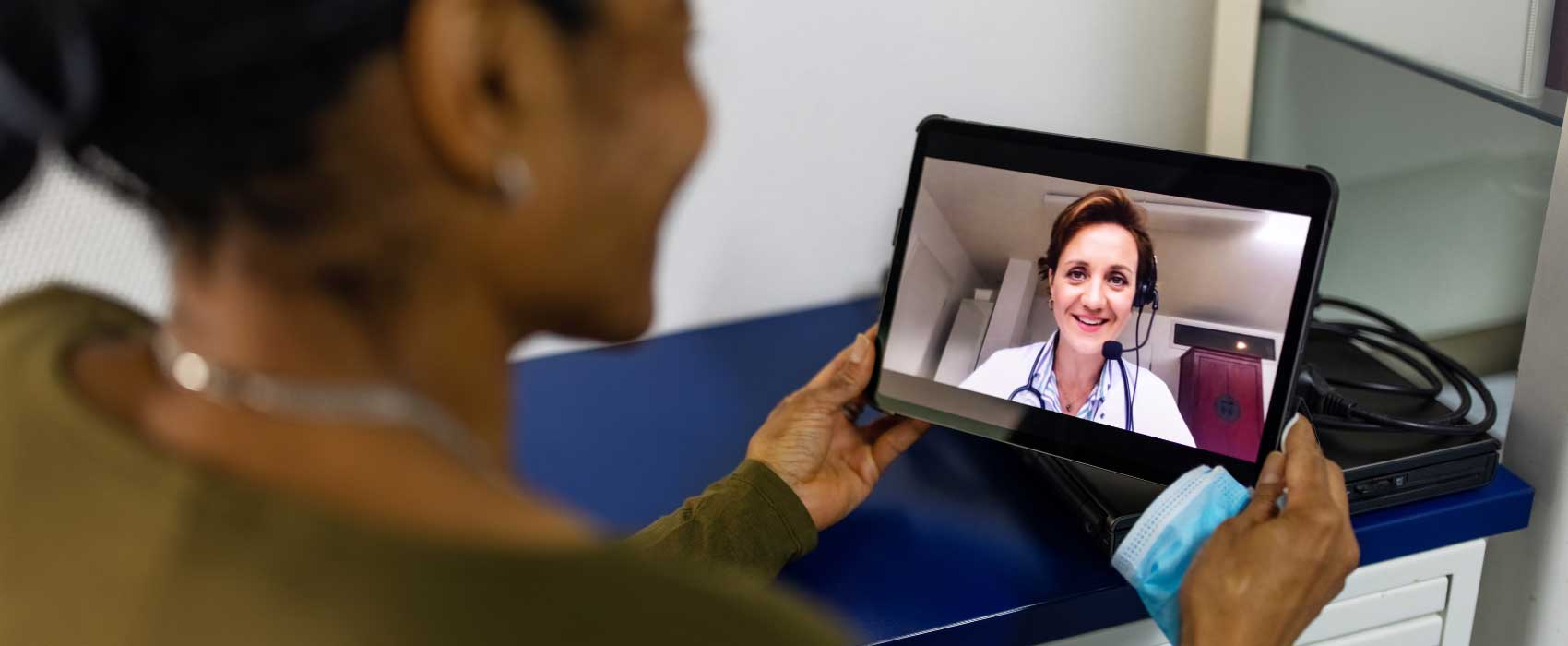
The adoption of telemedicine became increasingly important during the COVID-19 pandemic. It was implemented to help alleviate burdens in many overworked and understaffed hospitals, clinics, and doctor's offices nationwide. However, as the viral spread became more manageable and access to care became easier for non-COVID-related conditions, telemedicine consultations continued to be embraced and, in some situations, preferred. But can they really provide optimal care for patients who need urological care? Here, we'll go over all of the advantages and limitations of urological telemedicine.
What is Telemedicine and Telehealth?
Telemedicine and telehealth are terms often used interchangeably but encompass slightly different aspects of remote healthcare delivery. Both refer to the utilization of digital communication technologies to provide healthcare services remotely.
What is Telehealth?
Telehealth is a broader term encompassing clinical and non-clinical services, such as health education, administrative meetings, and provider training conducted remotely. Therefore, it is used more between urology departments than with patients. Telehealth includes a wider range of healthcare services beyond diagnosis and treatment. It focuses on improving accessibility, efficiency, and healthcare quality through technology.
Both telemedicine and telehealth play crucial roles in enhancing access to healthcare, improving patient outcomes, strengthening patient satisfaction, and optimizing healthcare delivery systems.
Advantages of Implementing Telemedicine Services
The practice of telemedicine in urology allows doctors to assess and treat a variety of different urologic conditions remotely. This may involve things as simple as infection but can even be used to help address certain types of cancers. This is particularly advantageous in rural communities with less access to urology clinics or specialists. Rather than succumbing to excessive travel times, patients and urologists can schedule telemedicine visits for initial consultations to determine the next steps.
Telemedicine and telehealth also increase patients' access to information based on lab or imaging tests. When paired with improved access, telemedicine can drastically improve the overall convenience of routine communication between a patient and physician. Other benefits include:
- Cost-Effective: Telemedicine can be more affordable for both patients and healthcare providers, as it reduces overhead costs associated with traditional in-person visits.
- Time Efficiency: Patients can often schedule appointments more quickly, leading to faster diagnoses and treatment.
- Continuity of Care: Telemedicine facilitates easier follow-up consultations and ongoing monitoring, improving continuity of care for chronic conditions.
- Reduced Exposure to Illnesses: Patients can reduce their risk of exposure to contagious illnesses by avoiding crowded waiting rooms.
- Remote Monitoring: Telemedicine enables healthcare providers to monitor patients' vital signs, symptoms, and progress remotely, which is particularly valuable for managing chronic diseases.
- Improved Patient Engagement: Some patients may feel more comfortable discussing sensitive issues or asking questions in a virtual setting, leading to better engagement and communication.
- Healthcare Professional Collaboration: Telemedicine facilitates easier collaboration between healthcare professionals, enabling specialists to consult with primary care providers more efficiently.
- Healthcare Equity: Telemedicine can help bridge gaps in healthcare access, making services more equitable for underserved populations, including those with disabilities or mobility issues.
Pyeloplasty Benefits vs. Risks
Although minimally invasive, pyeloplasty is still a surgical procedure that carries unique risks. The most common risks include:
- Infection
- Scarring
- Excessive bleeding
- Blood clots
- Hernias
- Bad reactions to anesthesia
- Damage to blood vessels
- Damage to nearby organs
- Need for additional surgery
- Urine leakage
Still, pyeloplasty is a surgical treatment to relieve pain and prevent kidney failure, so it's often considered necessary. Some of the advantages of pyeloplasty include pain relief, reduced swelling in the kidney and ureter, and improved overall function.
How to Prepare for a Pyeloplasty
Your doctor will give you instructions to help you prepare for a pyeloplasty. Typically speaking, this includes following a few directions. Most commonly, your doctor will ask you to:
- Fast (no food or water) for eight to twelve hours before the procedures
- Discontinue unnecessary medication on the day of the operation, or only take them with a small sip of water (do not stop taking any medications unless explicitly told to do so by your doctor)
- Prepare to stay in the hospital following the surgical procedure
- Ask a friend or family member to drive you home
How Can Pyeloplasty Surgery Be Performed?
Pyeloplasty is generally considered a minimally invasive procedure, but there are several options for individuals who need treatment. Most surgeries take about two to three hours, and you may be required to stay in the hospital for a few days after surgery. The different surgical options include:
Laparoscopic Pyeloplasty
During laparoscopic surgery, small incisions are made in the abdomen, through which a thin tube with a camera and specialized instruments are inserted. The surgeon then accesses the UPJ and removes the obstructed portion of the ureter before reconstructing it to allow for proper urine flow.
Endoscopic Surgery
In this procedure, a thin, flexible instrument called an endoscope is inserted through the urinary tract, typically via the urethra, to access the UPJ. The surgeon can visualize and navigate the obstruction using advanced surgical tools passed through the endoscope, often without external incisions. Normal urine flow is restored after removing the obstructed segment and reconstructing the ureteropelvic junction.
Staying Active and Exercising After Ostomy Surgery
Medical Specialty Health
Related Article