Medical Specialty Health
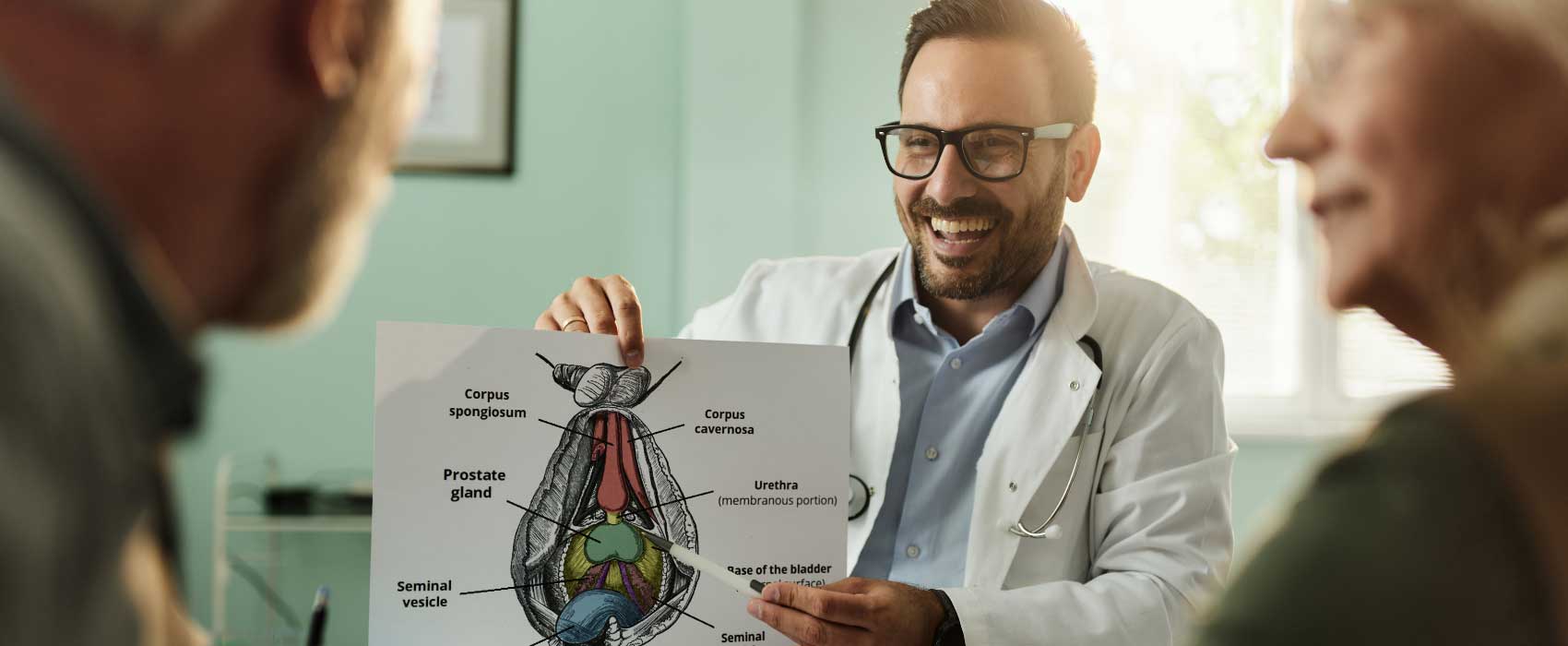
The prostate is a small gland in men located beneath the bladder and surrounding the urethra. It comprises both muscular and glandular tissue and contributes essential fluids to semen that aid in sperm transportation and viability. It's about the size of a walnut, but starting from age 25 or 30, it slowly enlarges. This is a completely normal and natural growth process, but the speed of growth can vary among men. In some, physiological enlargement can cause various symptoms, such as the compression of the urethra. Due to the change in size, men in their 40s and beyond should see their doctor regularly to detect issues early. This sets the stage for proactive monitoring and preventive measures to maintain optimal prostate health.
What is a Pyeloplasty?
Common Prostate Issues
Men over 40 should know about some common prostate issues to recognize any symptoms that may indicate a problem. Some of the most common medical problems associated with the prostate in aging men:
Benign Prostatic Hyperplasia (BPH)
Benign prostatic hyperplasia (BPH), a.k.a. enlarged prostate, is one of the most common issues with the prostate gland in aging men. Although BPH is non-cancerous, many men will experience symptoms that can disrupt their daily lives. However, contrary to what some people think, BPH does not increase your risk of developing prostate cancer. Urinary problems caused by BPH can include things like:
- Weak or slow urine stream
- Trouble starting urination
- Increased frequency
- Increased urgency
- Nocturia
- Feeling like the bladder hasn't fully emptied
- Inconsistent urine stream
- Strain associated with urination
Men may also develop a condition called prostatitis. This can happen before or after age 40, which is why it's important to see your doctor if you experience any symptoms. Prostatitis is the inflammation of the prostate gland that can cause a variety of symptoms. Oftentimes, prostatitis occurs when bacteria enter the urethra—the tube that carries urine out of your body—and travel up toward the body. There are a few different types to be aware of:
- Acute Bacterial Prostatitis — This occurs when the infection is sudden, and symptoms may include blood in the urine, fever, and chills that occur out of nowhere. It's important to see a doctor right away if you suspect this form of prostatitis. When diagnosed in men, PSA levels are usually elevated.
- Chronic Bacterial Prostatitis — This infection has a slow onset, and the only symptoms tend to be bladder infections that continue to come back regardless of treatment. It can be caused by a defect in the prostate, but long-term, low-dose antibiotics can help you manage symptoms.
- Chronic Prostatitis or Chronic Pelvic Pain Syndrome — This is the most common type of prostatitis but also the least understood. It triggers an immune response, but no bacteria is found in the prostate tissue. Your doctor will work with you to create a customized treatment plan.
- Asymptomatic Inflammatory Prostatitis — This is a bacterial infection that occurs without any symptoms. It's often only found during blood tests or when you're screened for prostate cancer.
- Still, pyeloplasty is a surgical treatment to relieve pain and prevent kidney failure, so it's often considered necessary. Some of the advantages of pyeloplasty include pain relief, reduced swelling in the kidney and ureter, and improved overall function.
How to Prepare for a Pyeloplasty
Your doctor will give you instructions to help you prepare for a pyeloplasty. Typically speaking, this includes following a few directions. Most commonly, your doctor will ask you to:
- Fast (no food or water) for eight to twelve hours before the procedures
- Discontinue unnecessary medication on the day of the operation, or only take them with a small sip of water (do not stop taking any medications unless explicitly told to do so by your doctor)
- Prepare to stay in the hospital following the surgical procedure
- Ask a friend or family member to drive you home
How Can Pyeloplasty Surgery Be Performed?
Pyeloplasty is generally considered a minimally invasive procedure, but there are several options for individuals who need treatment. Most surgeries take about two to three hours, and you may be required to stay in the hospital for a few days after surgery. The different surgical options include:
Laparoscopic Pyeloplasty
During laparoscopic surgery, small incisions are made in the abdomen, through which a thin tube with a camera and specialized instruments are inserted. The surgeon then accesses the UPJ and removes the obstructed portion of the ureter before reconstructing it to allow for proper urine flow.
Endoscopic Surgery
In this procedure, a thin, flexible instrument called an endoscope is inserted through the urinary tract, typically via the urethra, to access the UPJ. The surgeon can visualize and navigate the obstruction using advanced surgical tools passed through the endoscope, often without external incisions. Normal urine flow is restored after removing the obstructed segment and reconstructing the ureteropelvic junction.
Telehealth and Telemedicine in Urology: Advantages and Limitations
Aspirin For Prevention
Related Article